Palimpsest
—
Trafo Gallery, Prague, CZ
Solo exhibition
Curator: Tomáš Knoflíček
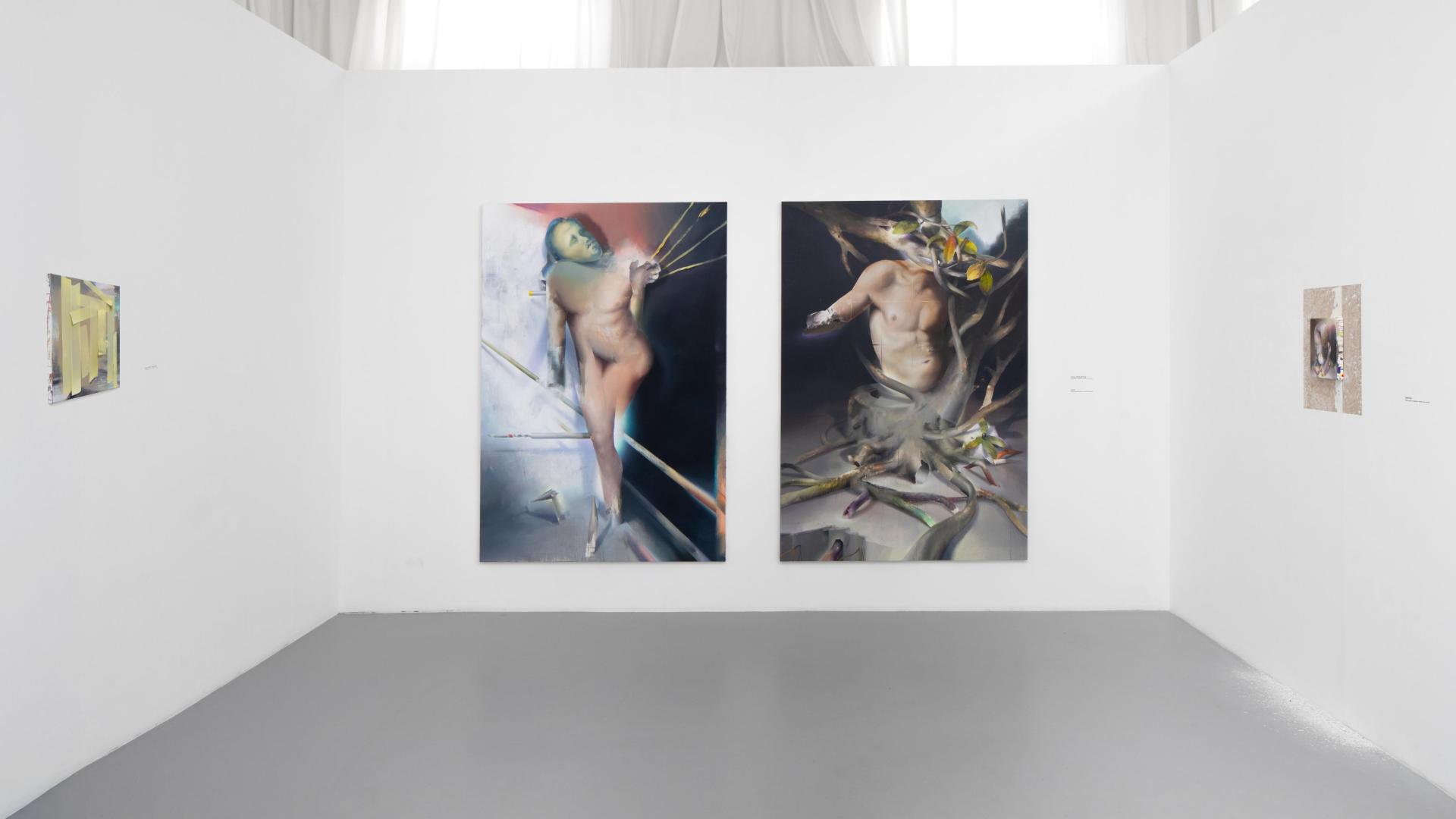
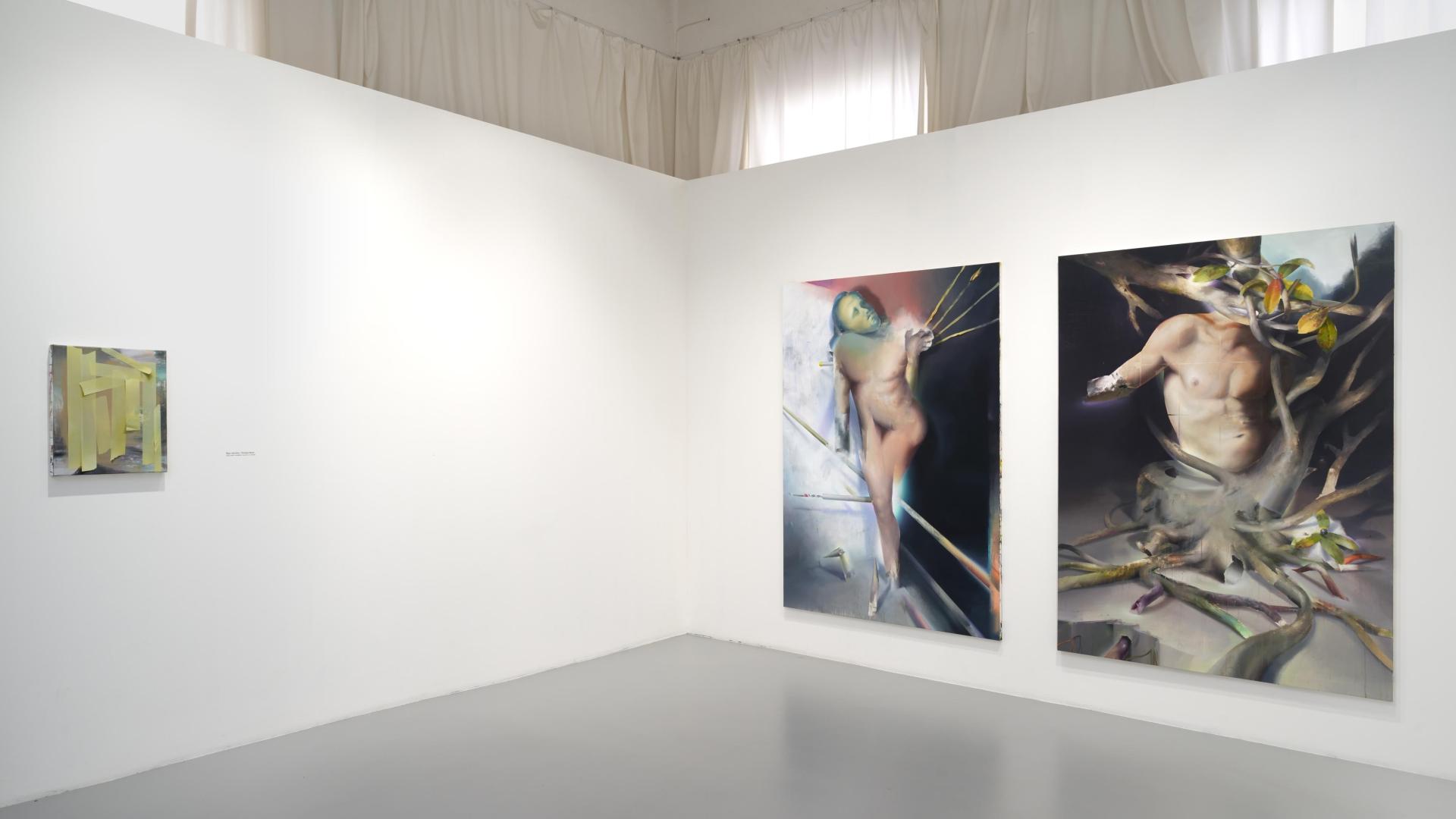
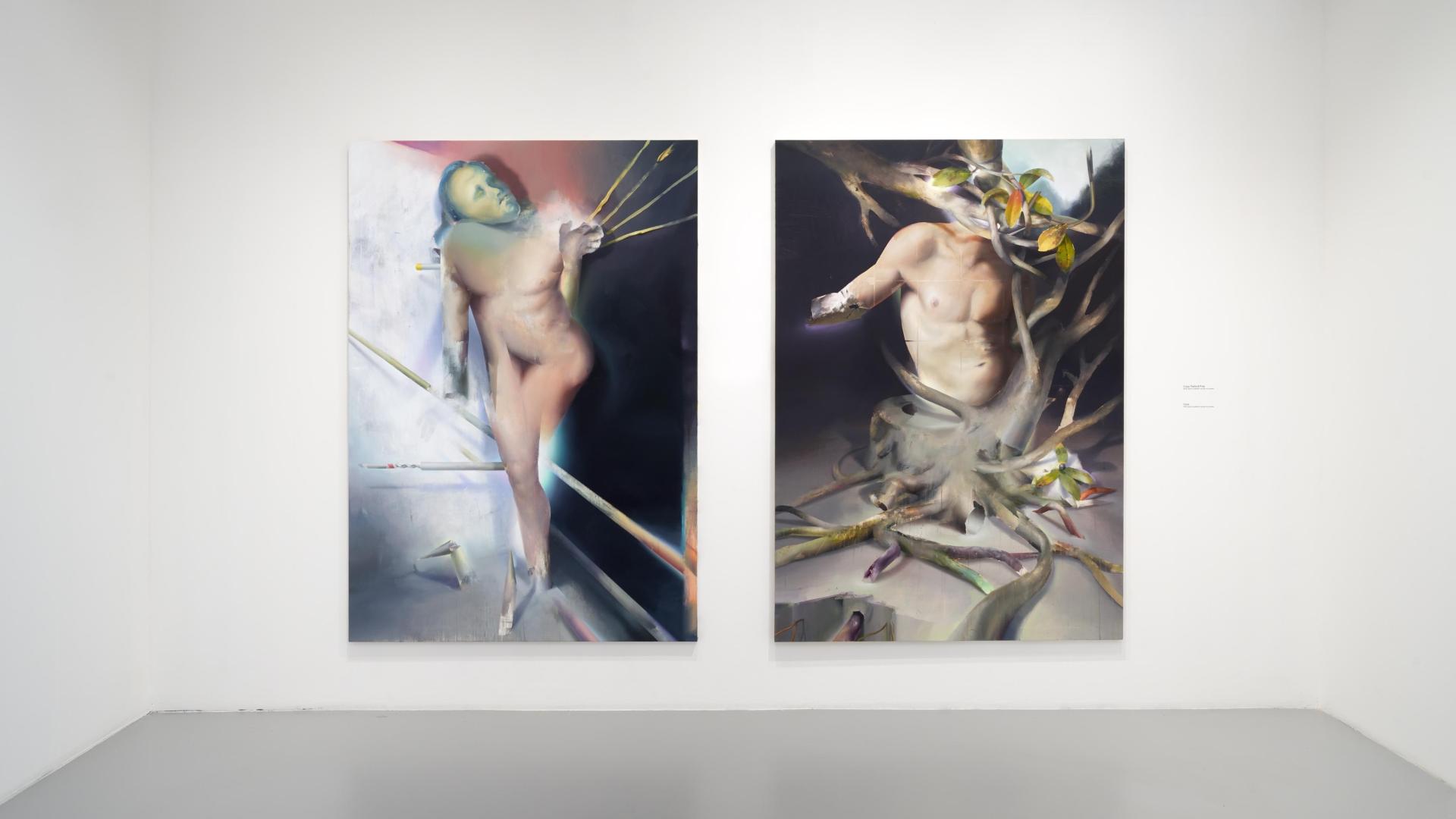
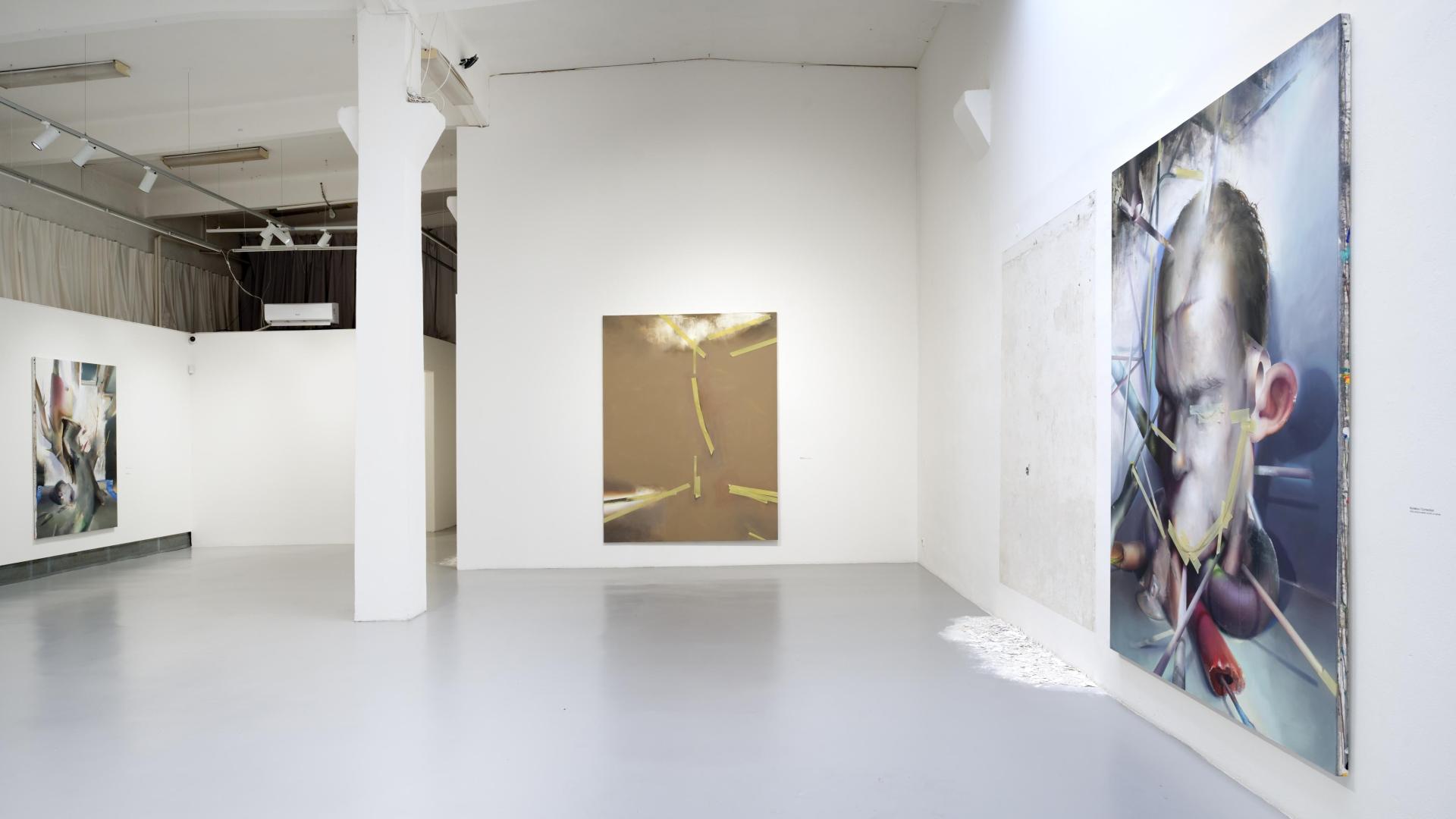
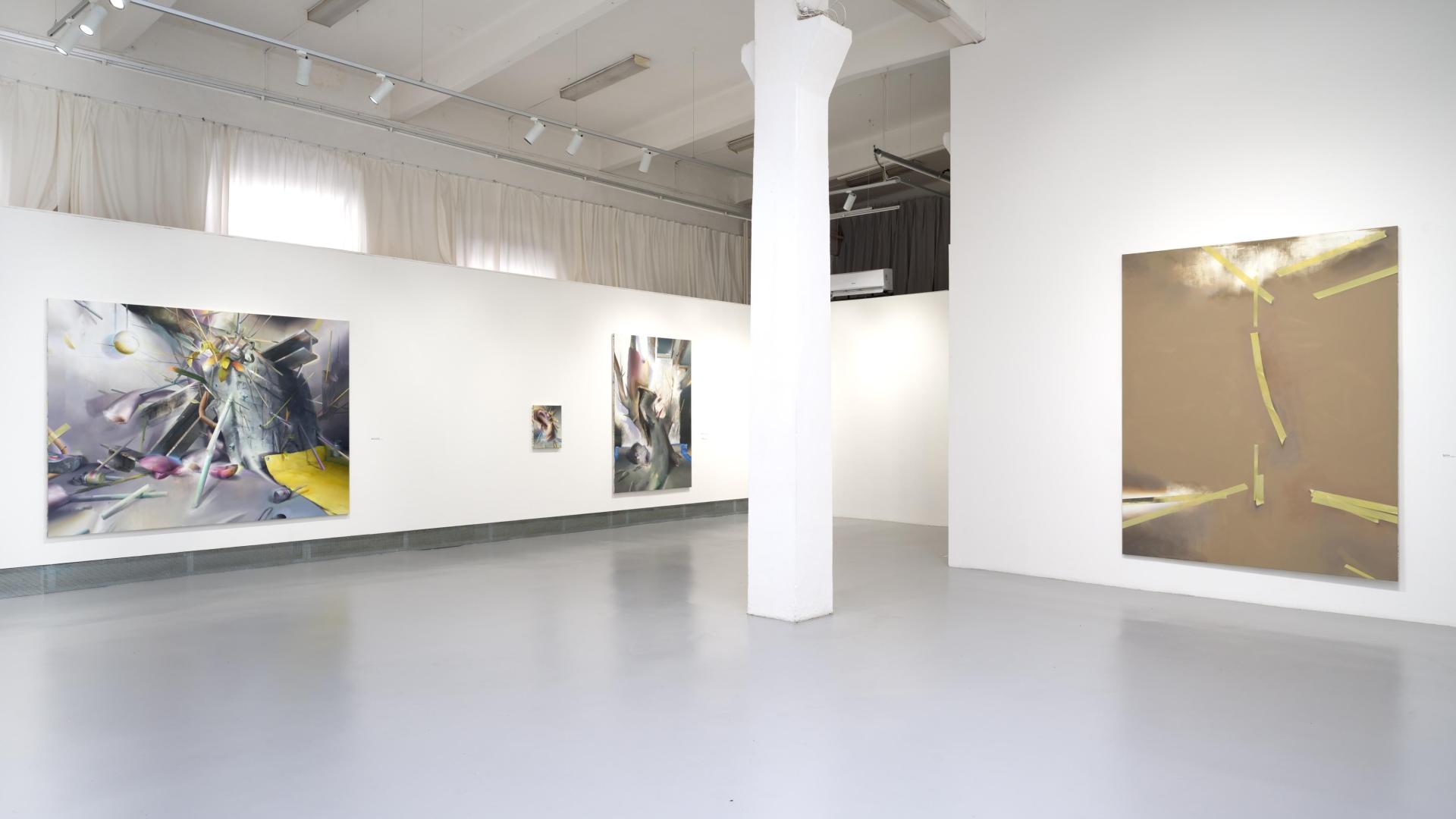
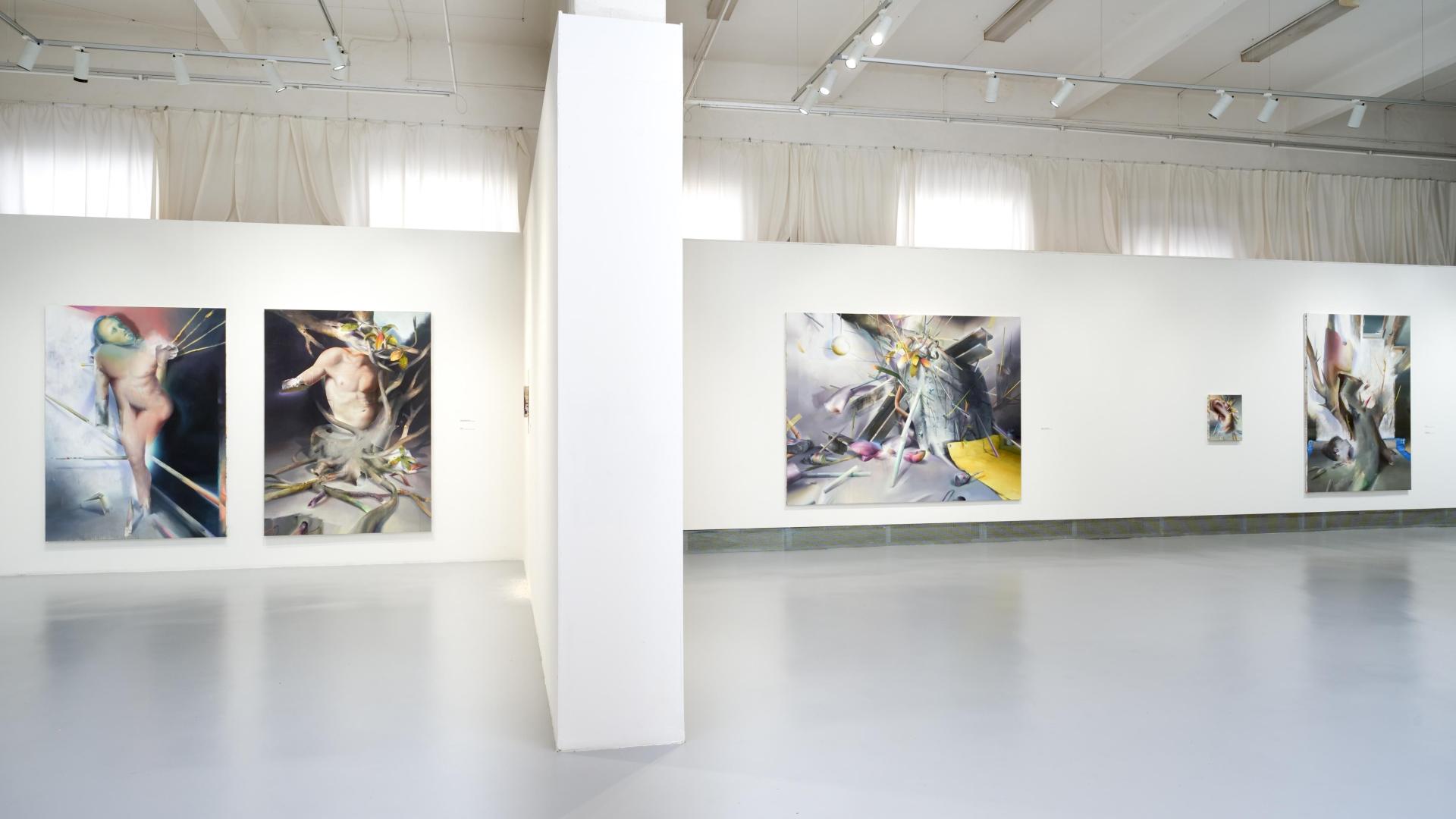
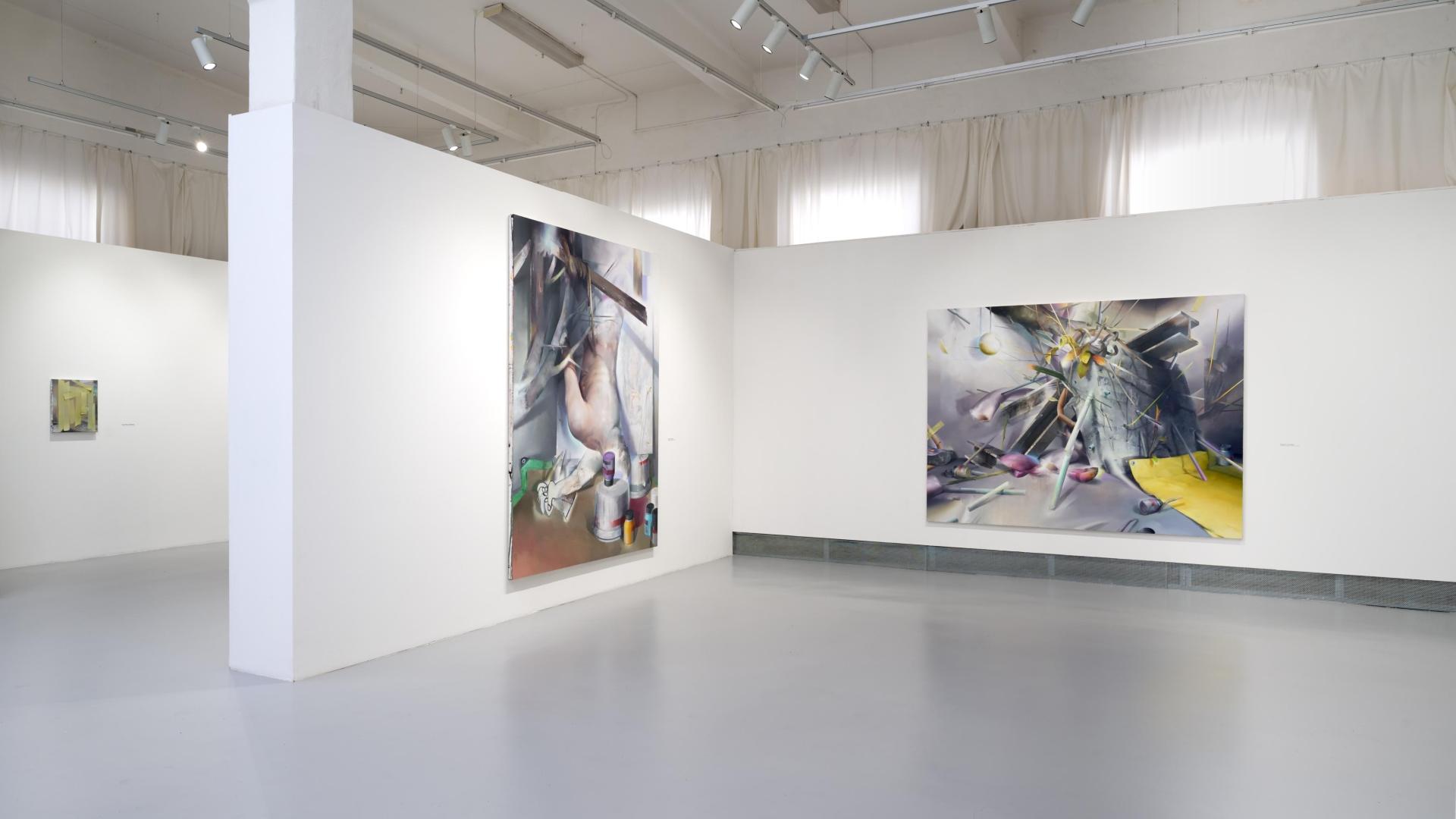
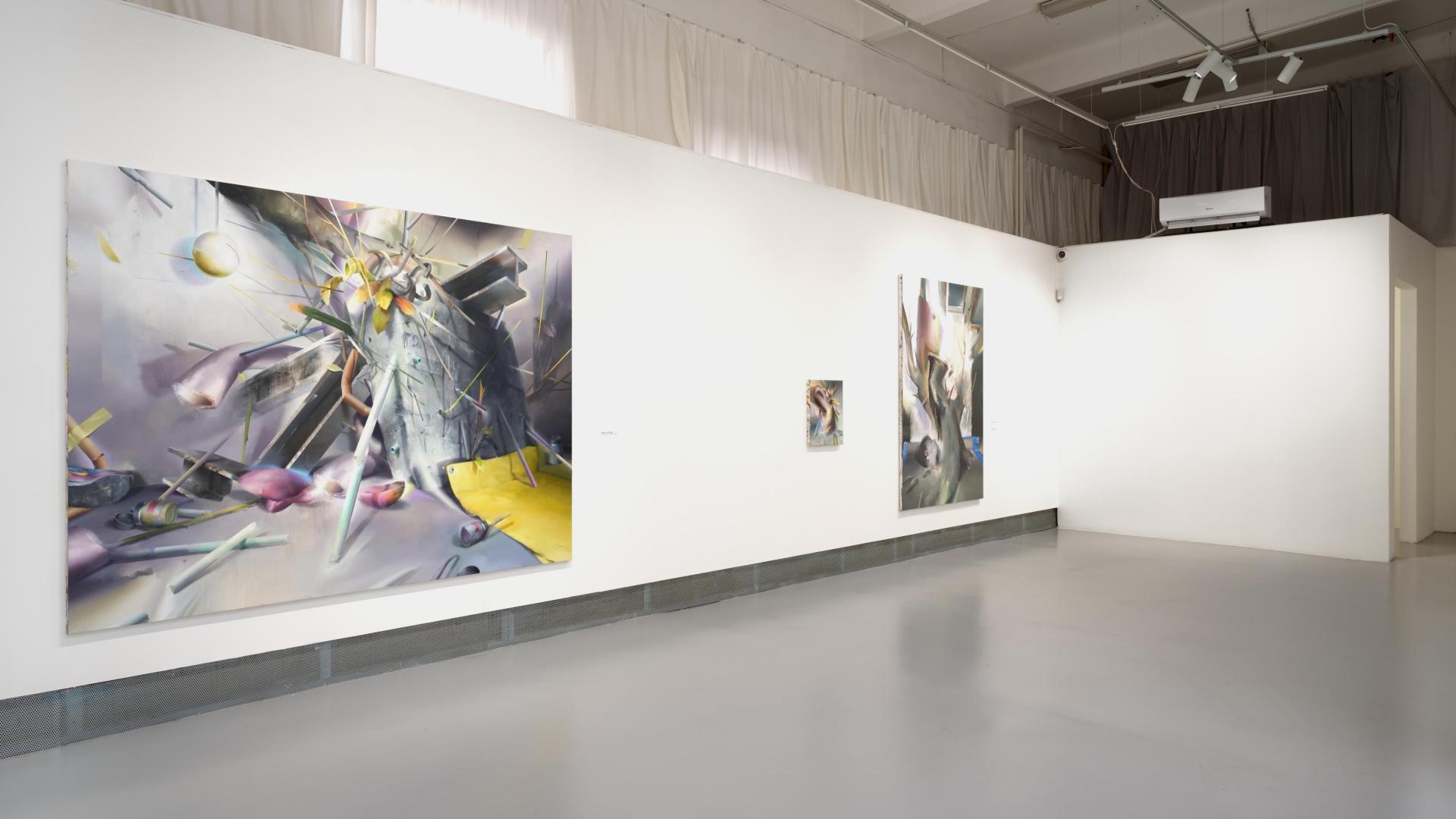
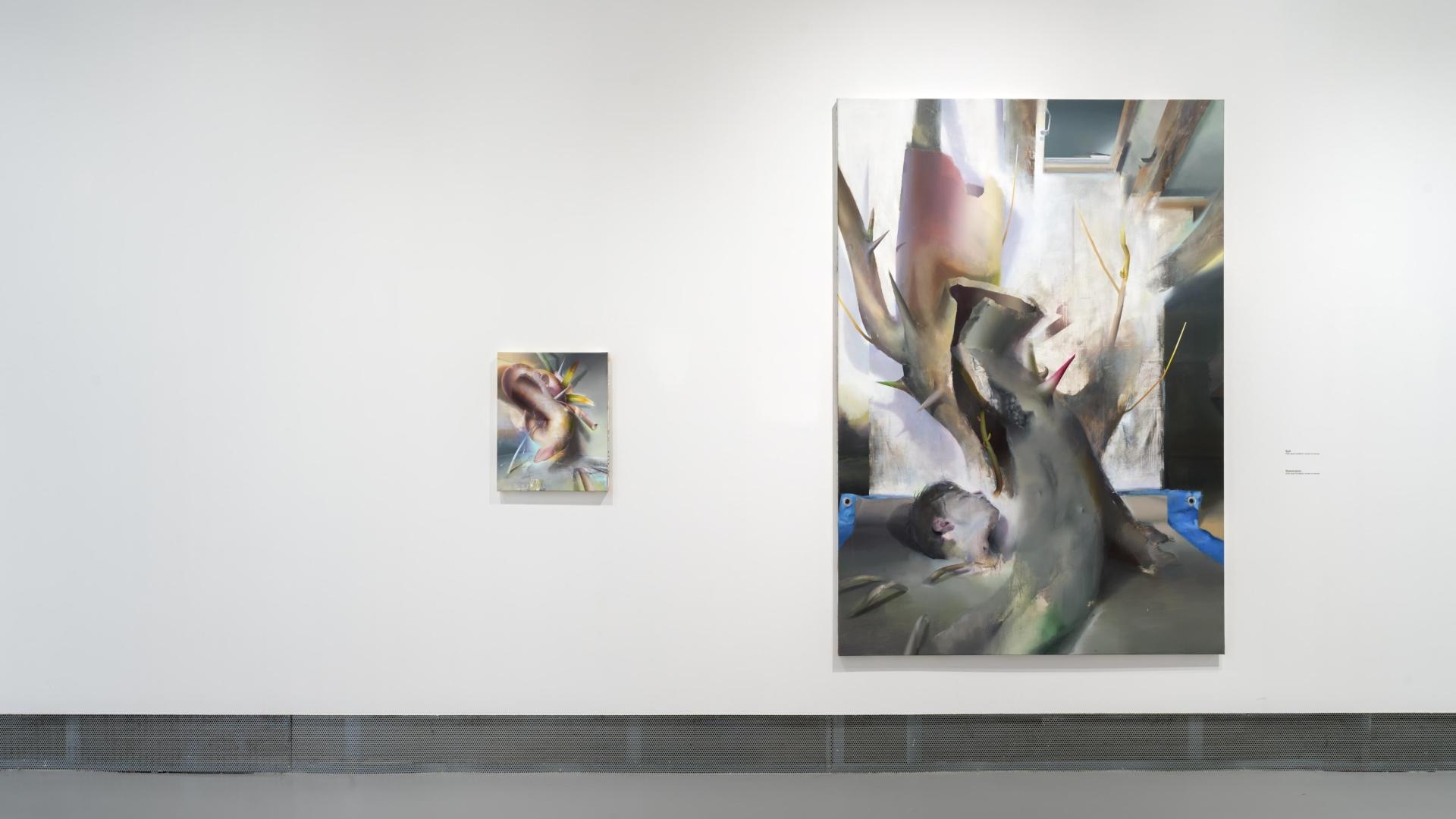
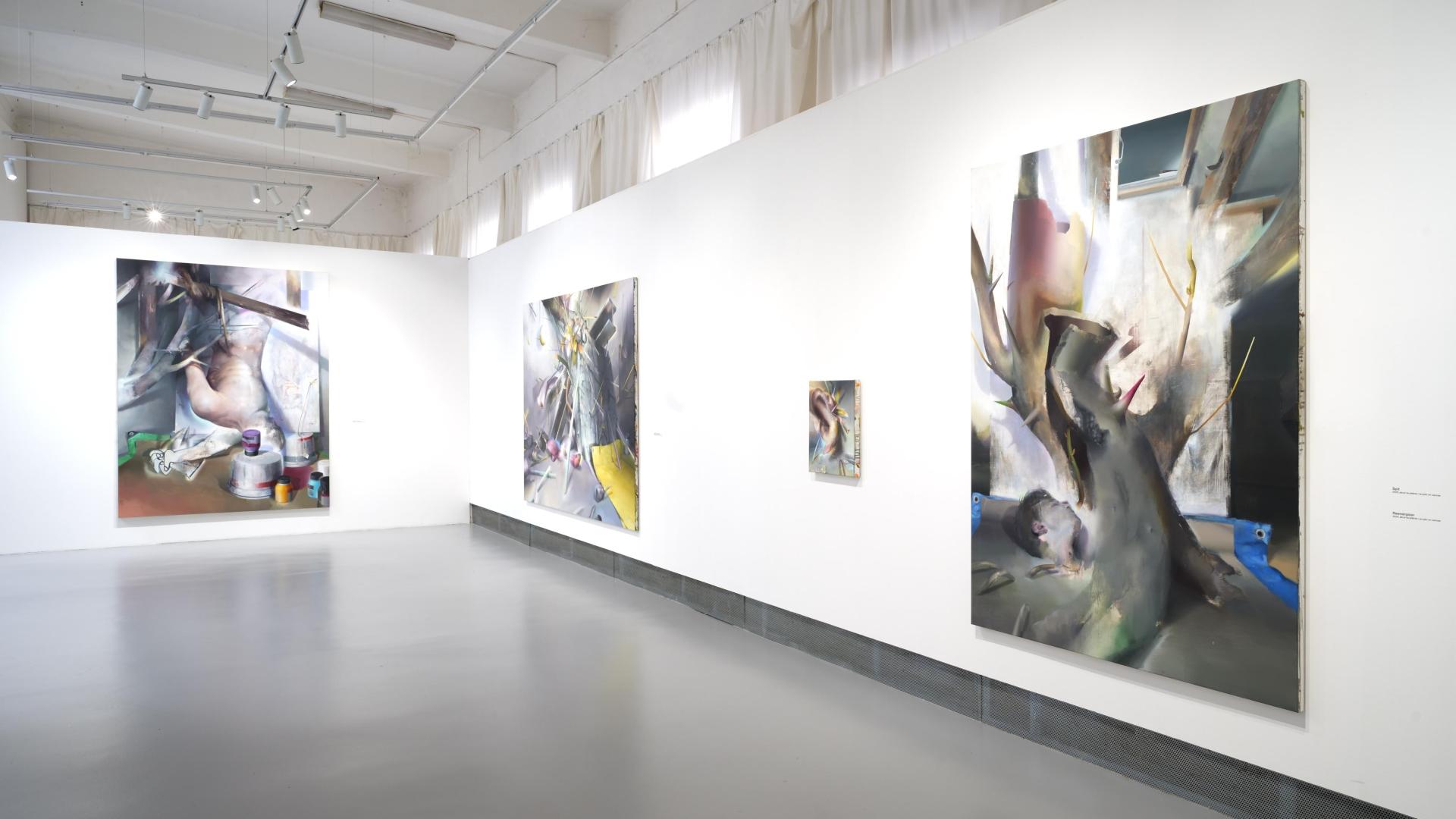
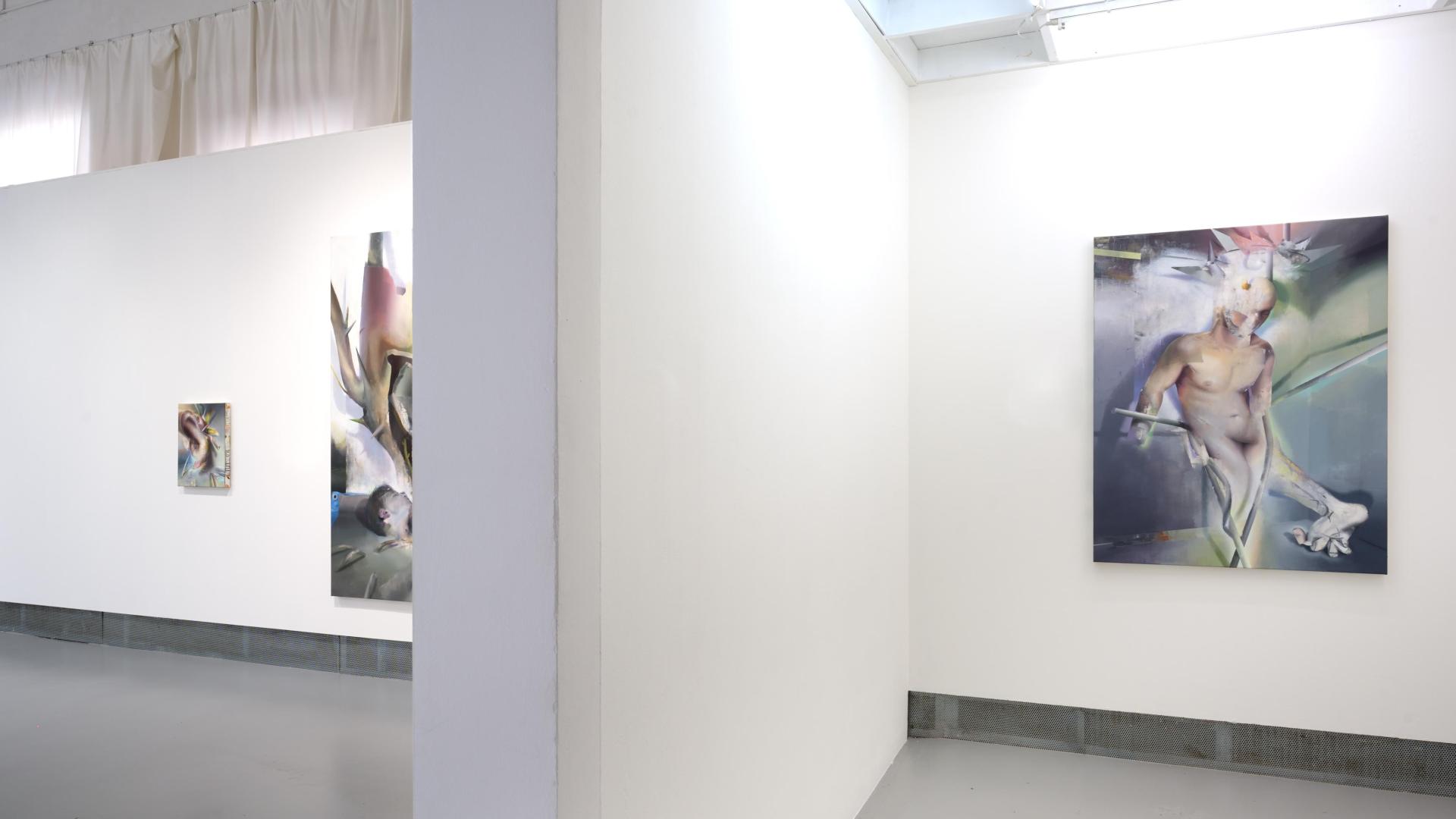
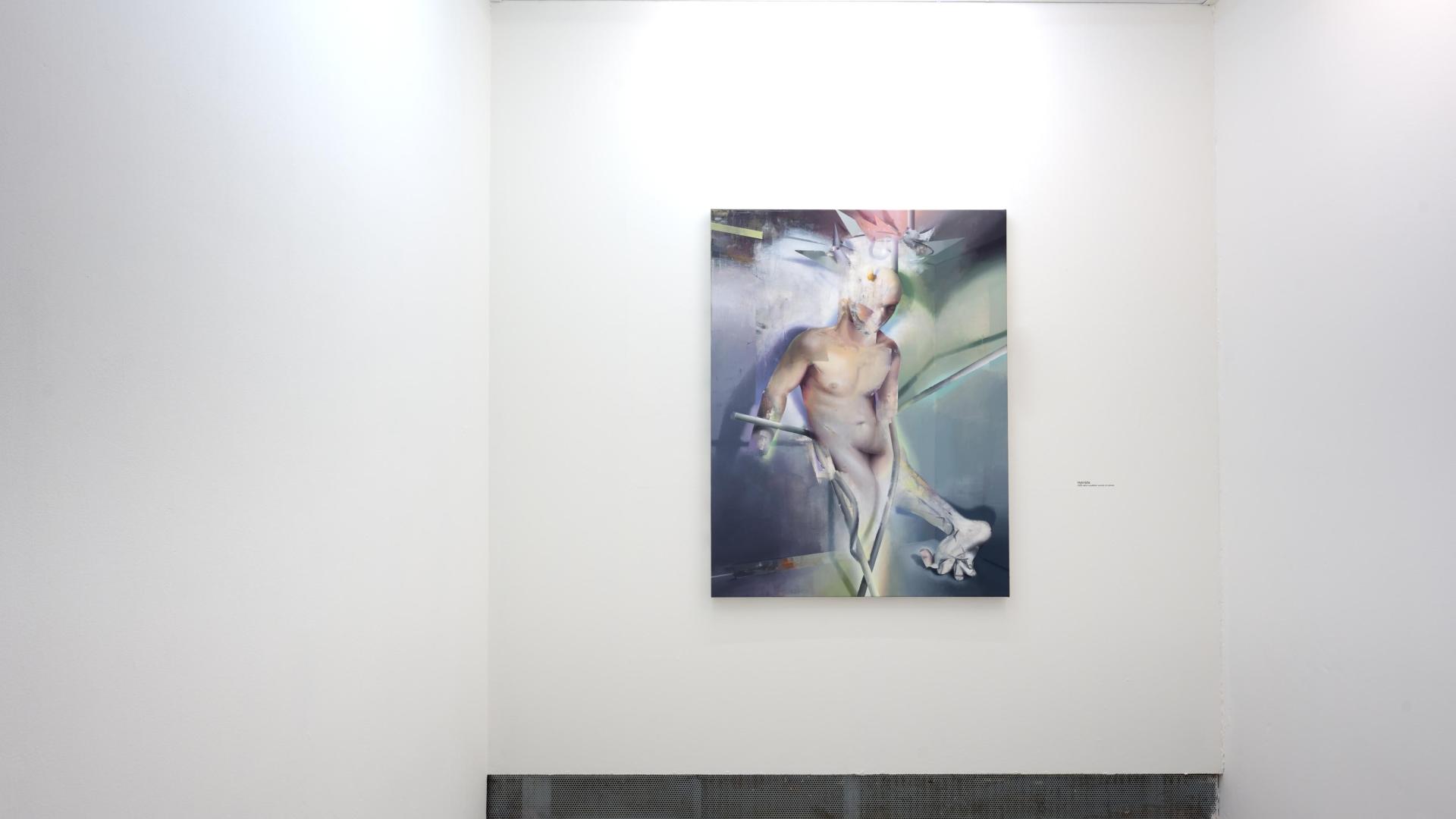
At a time when images circulate through the digital world at the speed of data flow, disappearing before they can register in our consciousness, Jiří Marek turns to painting primarily as an act of anchoring. For him, a physical work is not a formal relic, but a way of reclaiming the authenticity of the relationship between the eye, the hand and memory, a way of reaching out and touching reality.
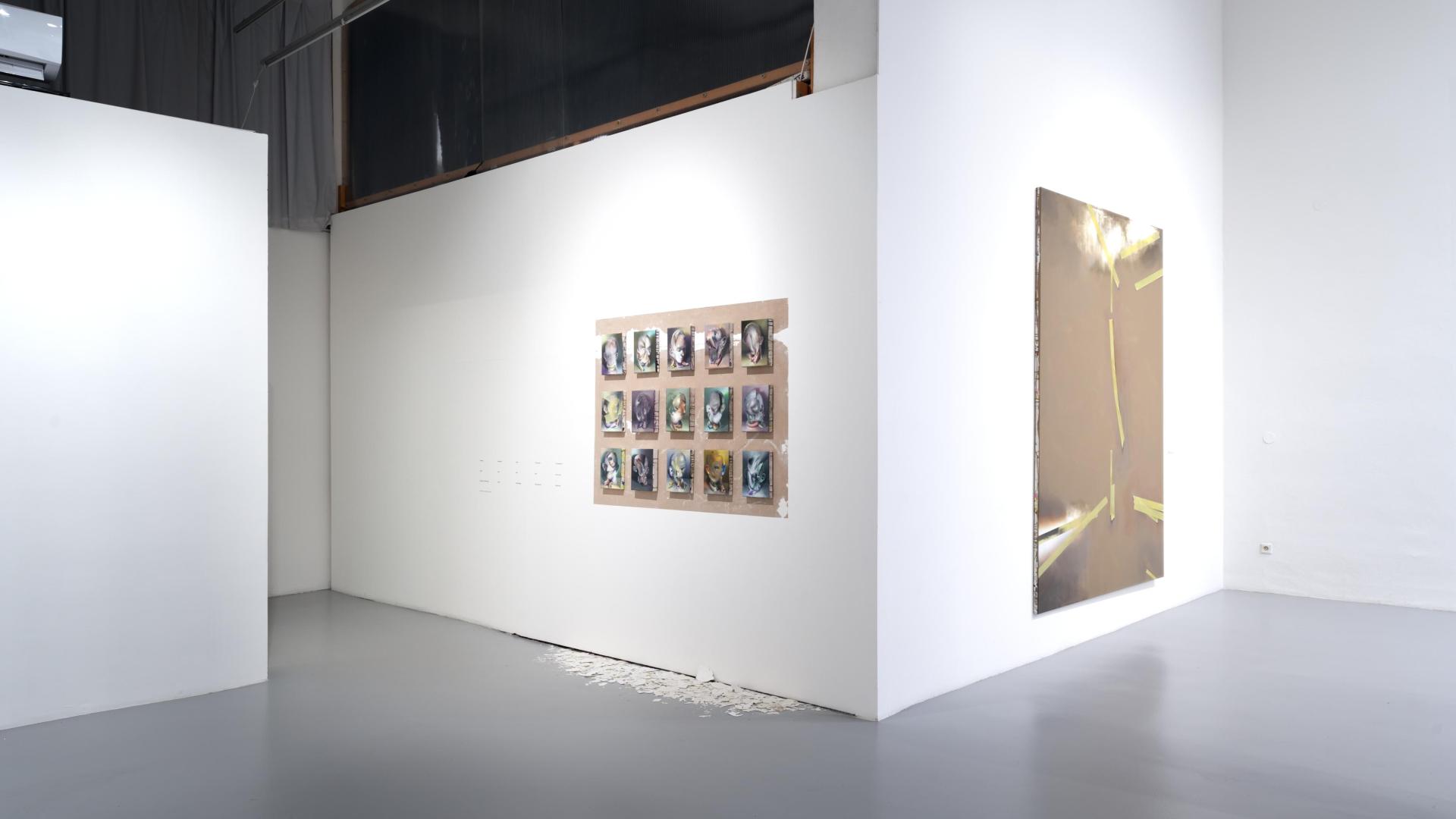
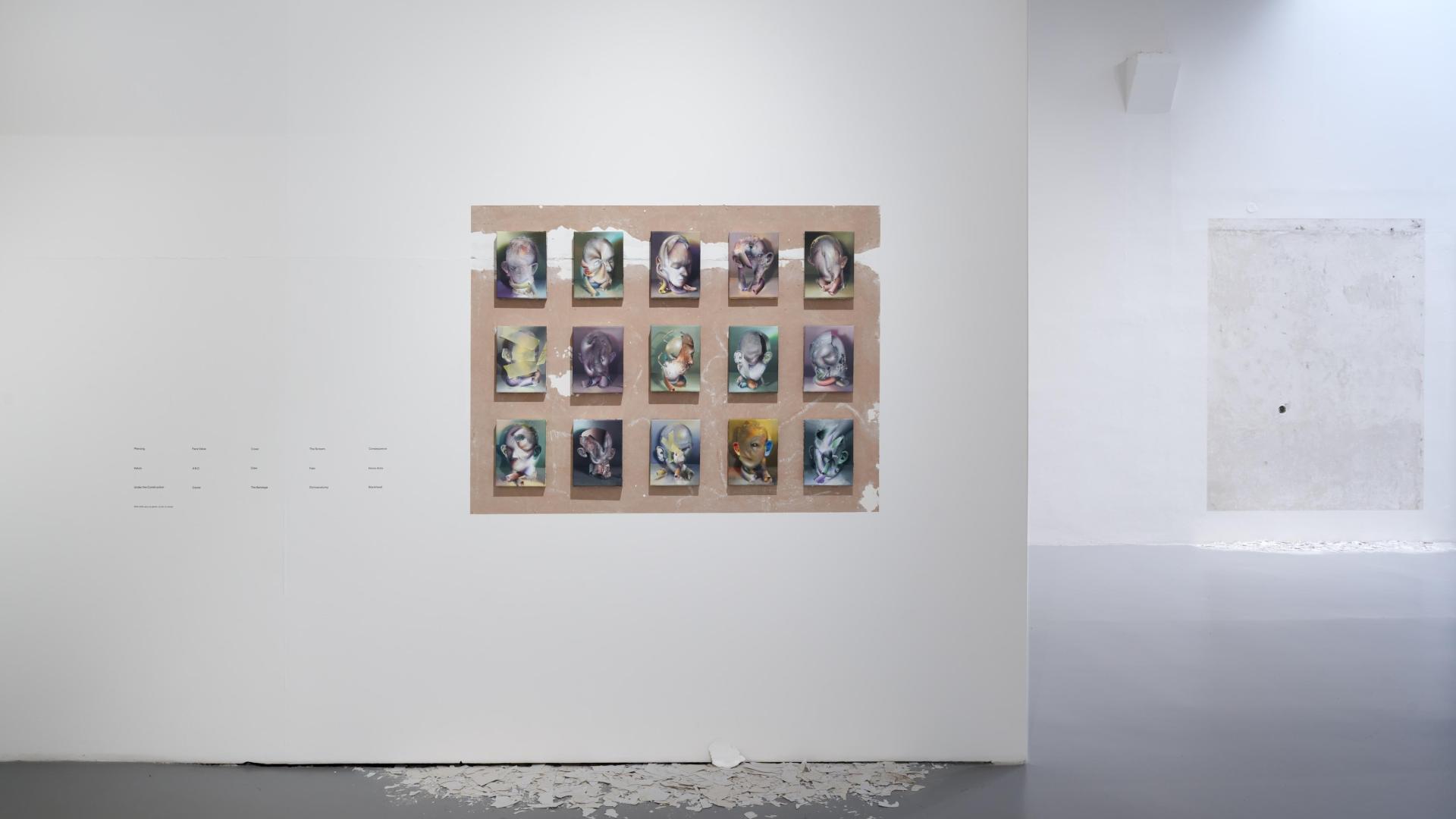
Marek delves with obvious enthusiasm into the vast terrain of cultural debris, mixing the present with historical references and drawing on both personal and collective consciousness. Throughout, however, he remains focused. He picks up individual shards of reality, examining each one carefully and dusting them off if necessary. This is not in order to restore them to their original condition, but to further expose the traces of wear and tear. The artist’s fascination with ruins and his attempt to capture decay through painting reflects on the one hand the uncertainty of our existence, while on the other is undoubtedly motivated by an interest in how things work, a need to penetrate the structural essence of individual forms and, with the help of the past, to view our present and future with greater prescience.
American art theorist and curator Douglas Crimp understood memory as a heterogeneous sediment of cultural deposits, whose form is constantly being revised and rewritten according to current needs and ideologies. In order to capture this type of asynchronous movement, he adopted the term palimpsest in his essay On the Museum’s Ruins and other texts. Palimpsest originally referred to a manuscript on parchment whose older textual layer had been erased and replaced with a new one. However, the process of erasure was never so successful that letters, words or sentences from the original text did not show through between the lines of the new text. Readers who picked up a palimpsest therefore inevitably perceived not only the last entry, but also – at least subconsciously – the fragmentary layers of text beneath it.
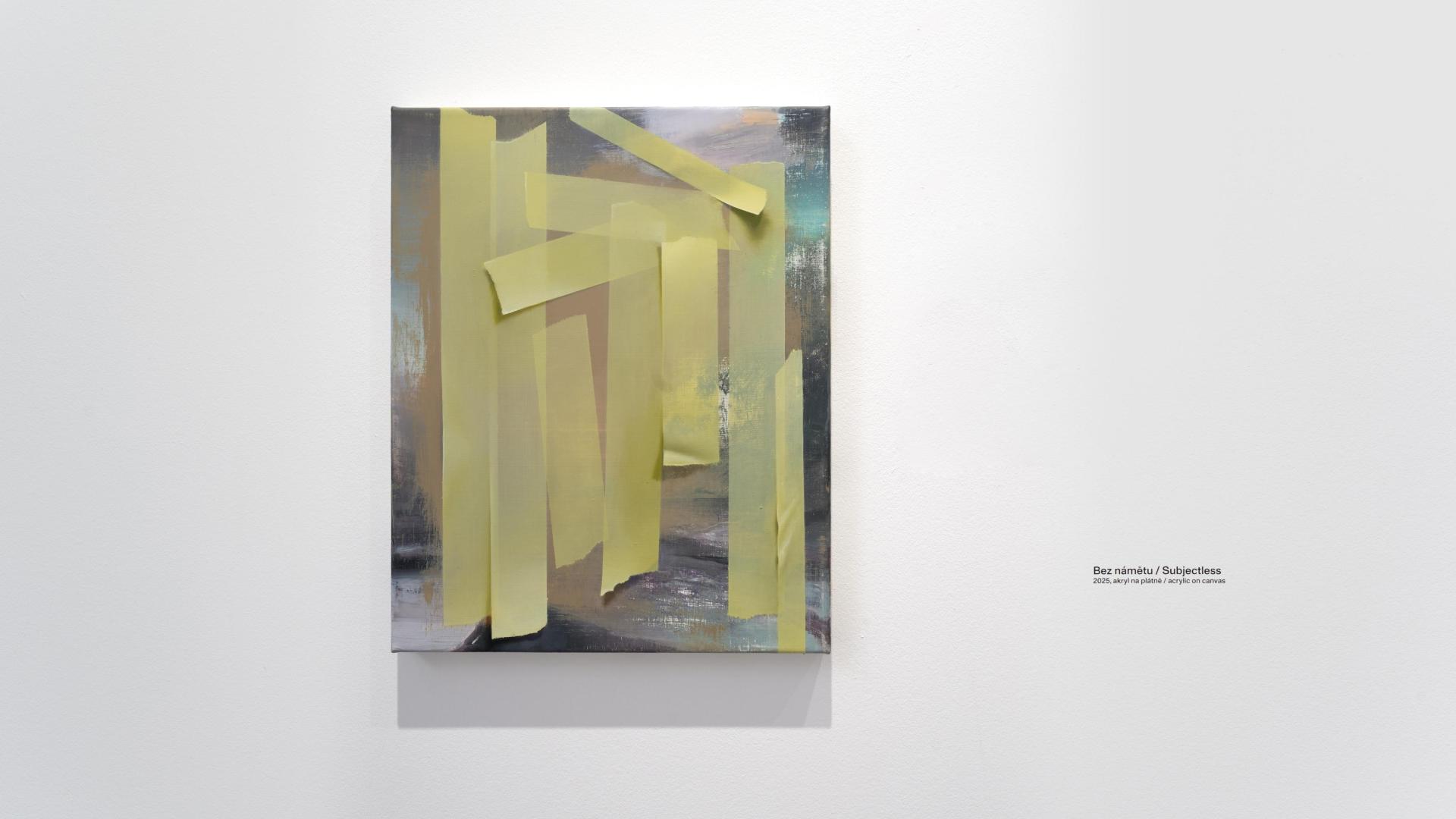
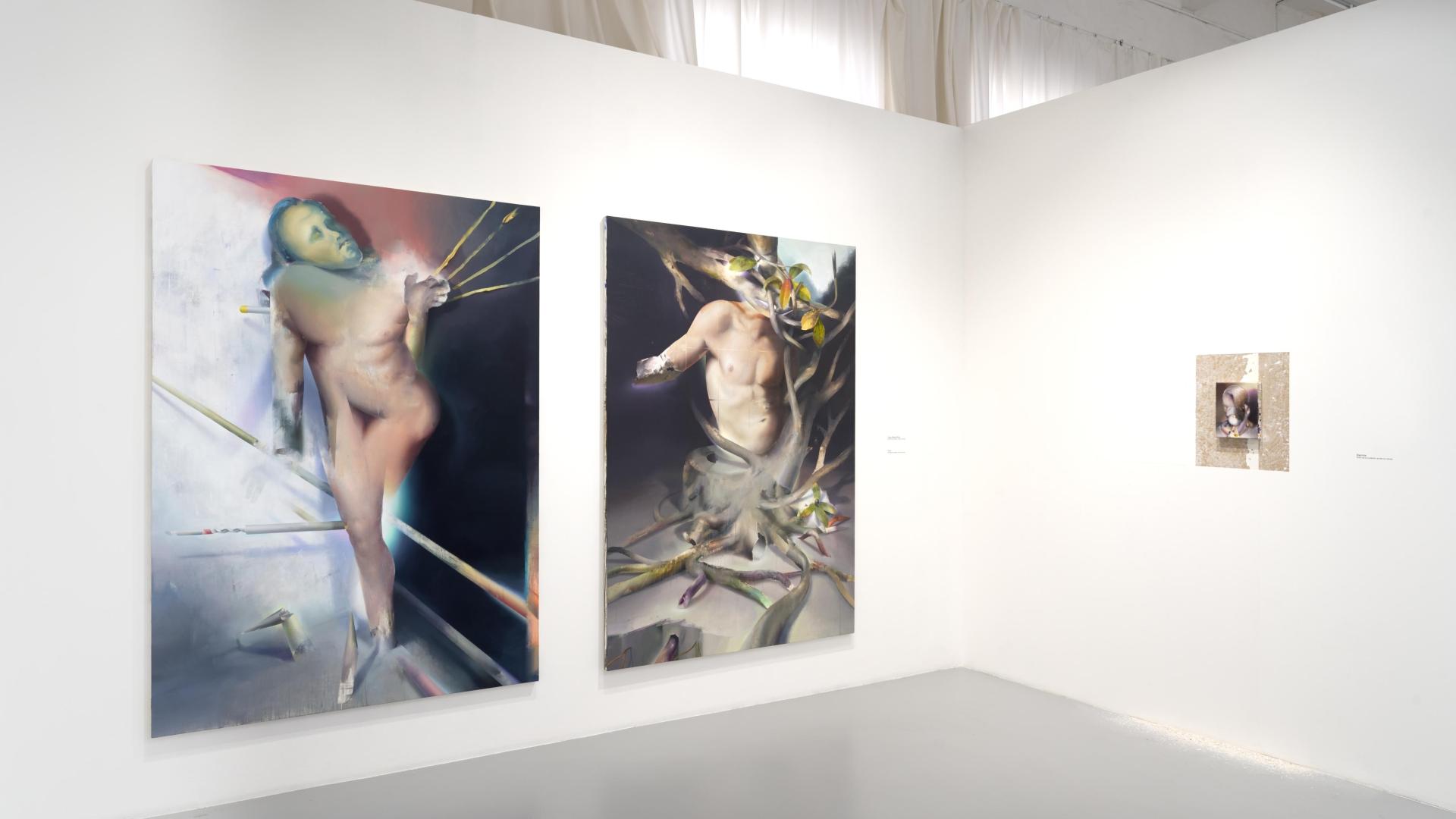
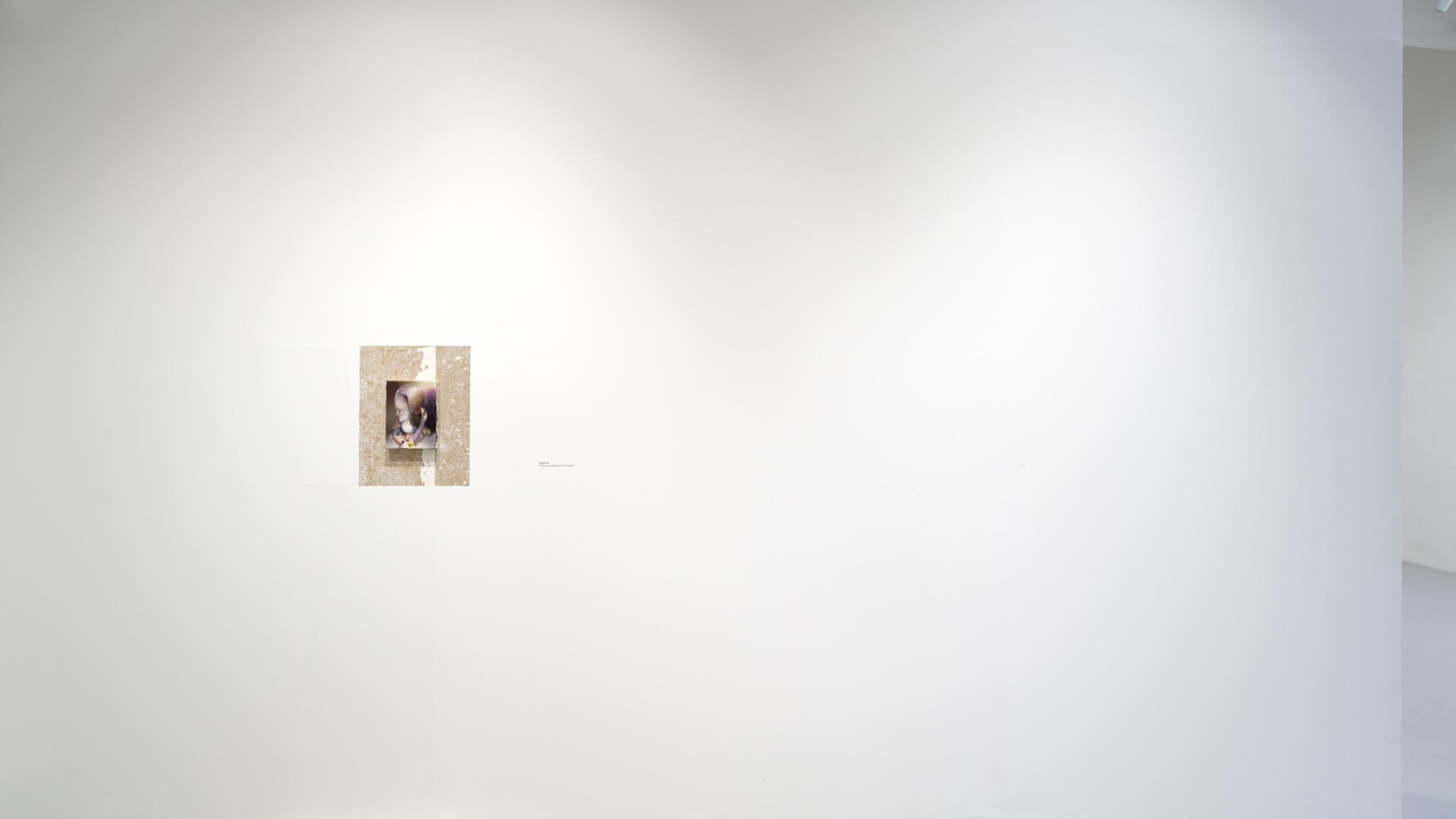
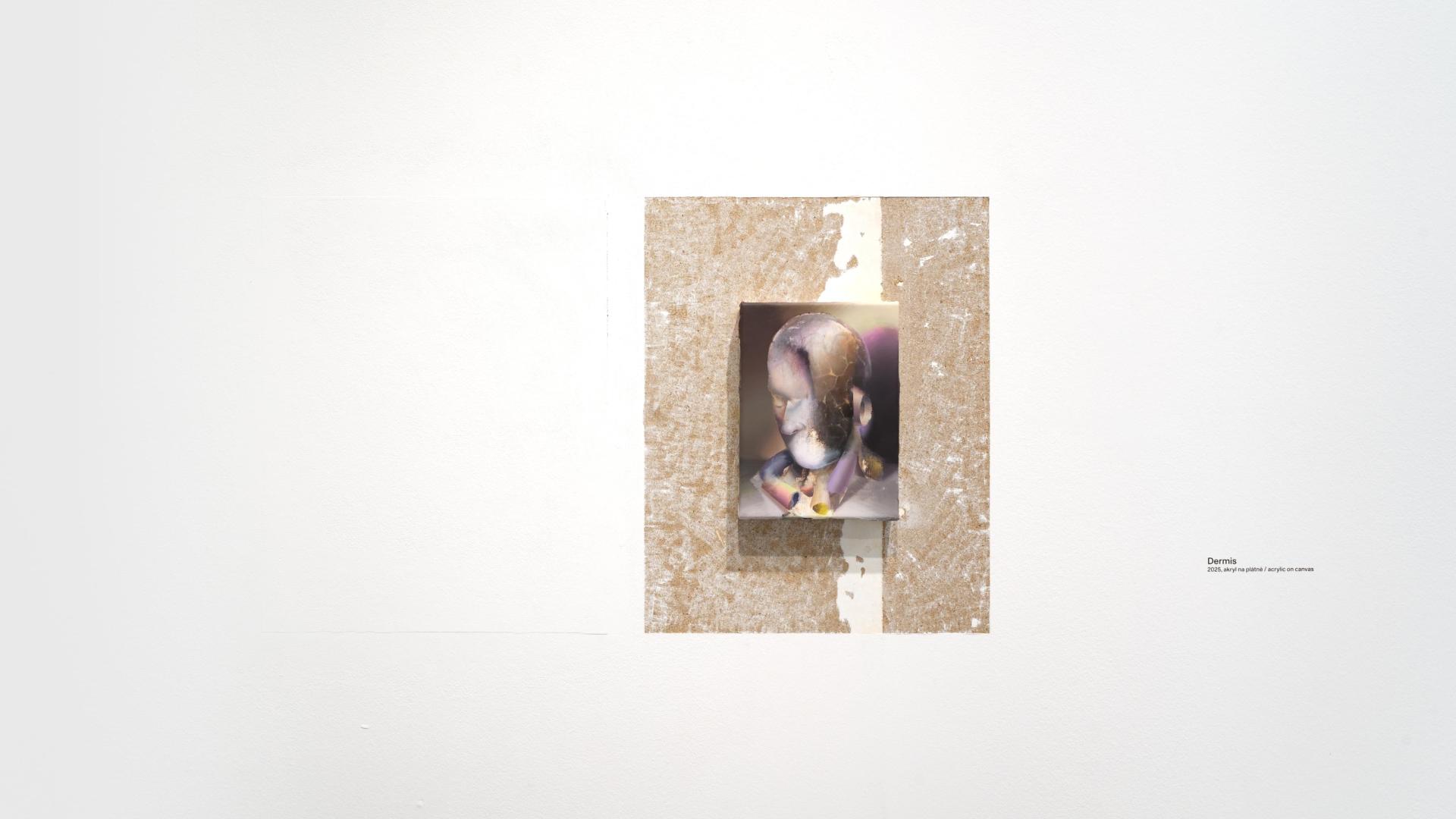
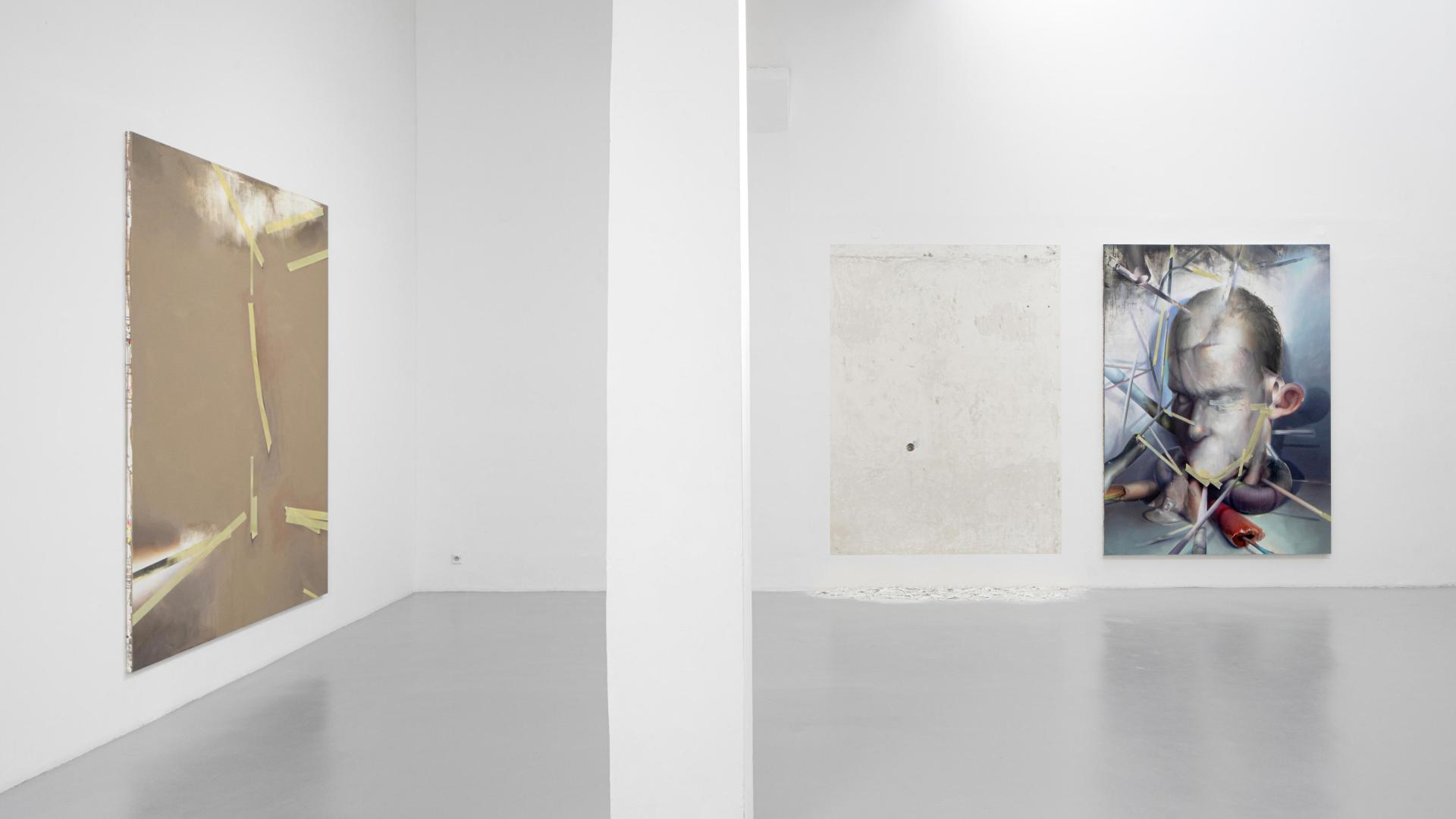
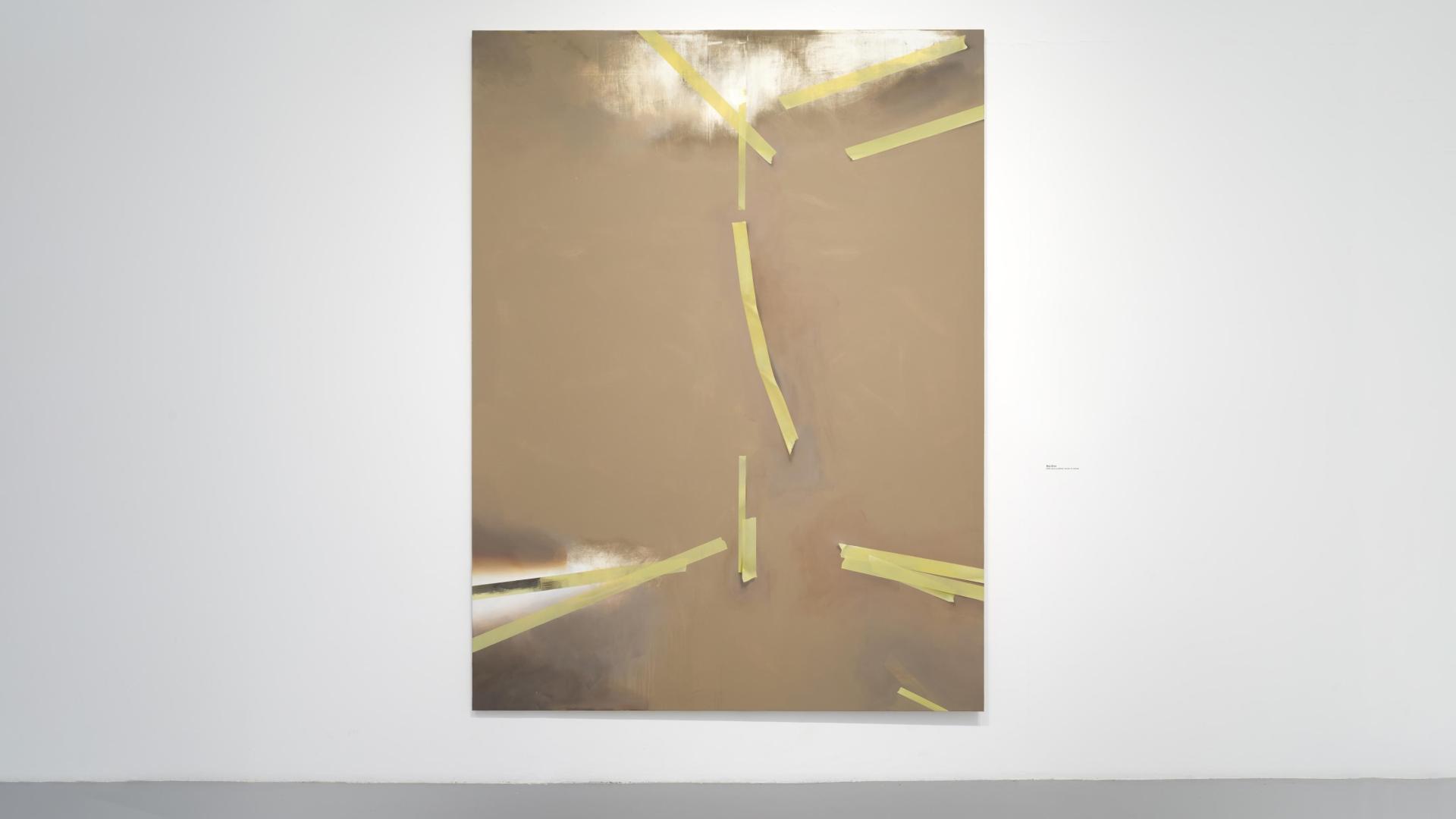
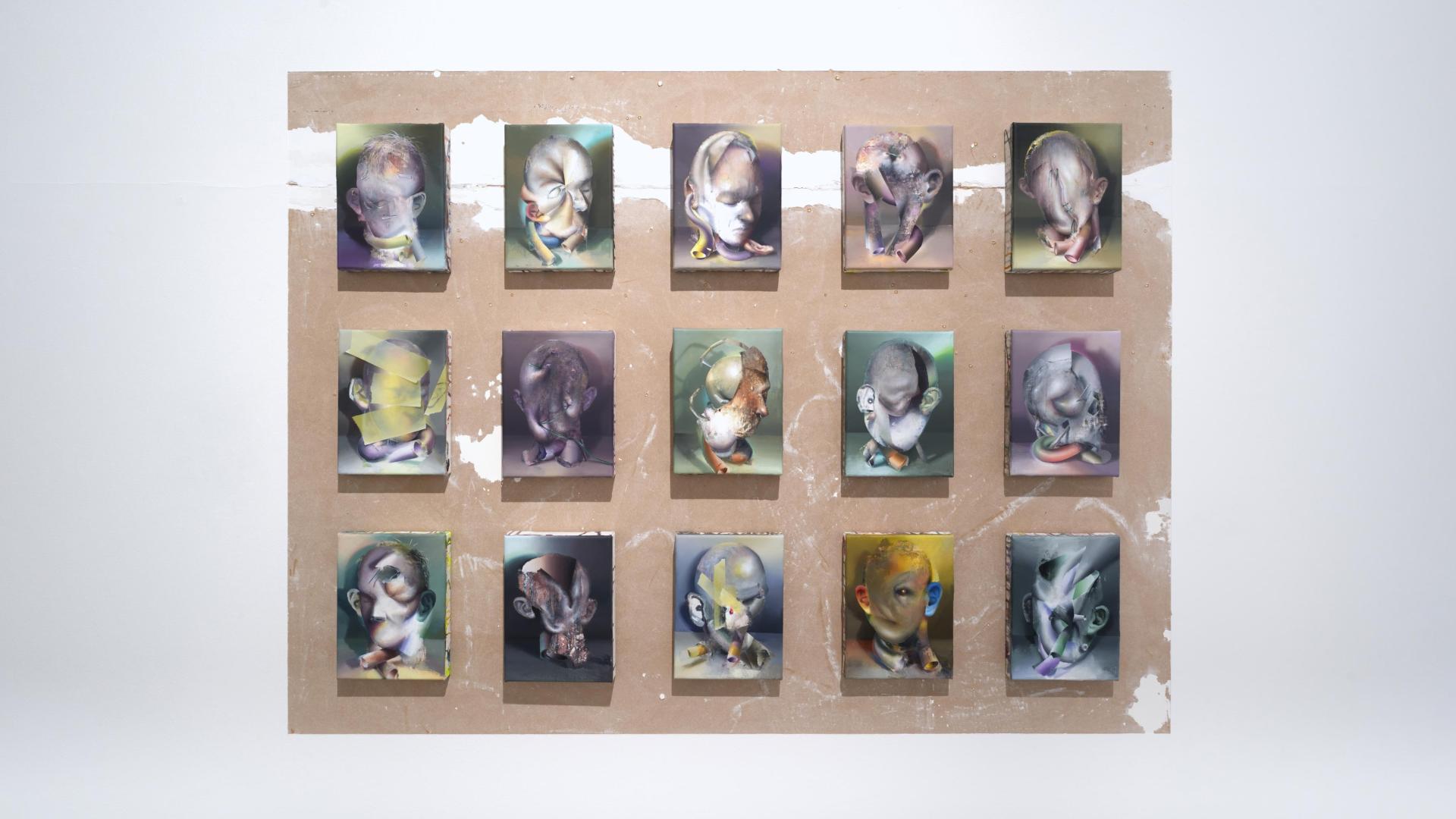
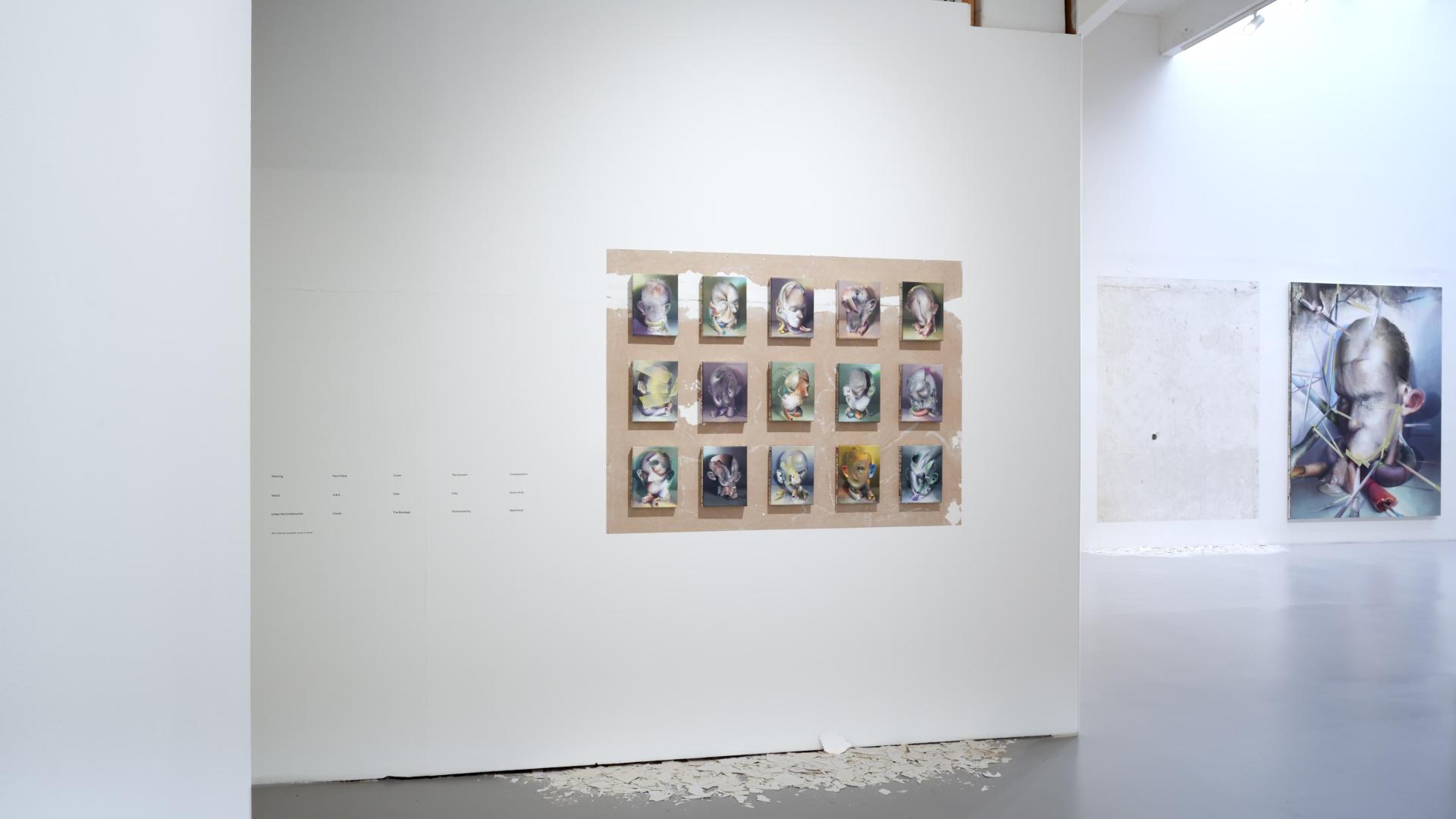
Marek’s approach to painting seems similar in principle. His paintings do not seek original sources, but rather structures of meaning. They tell us, in the manner of Crimp, that beneath every image there is always already another image. In the short post-Covid period, when the artist immersed himself most deeply in exploring the social memory of humanity and deposited individual synapses on canvas as if on a photosensitive plate, it seemed as if his almost surgically precise technique would be helpful in this endeavour. In time, however, he realised the limits of this modus operandi and turned to a technique that suppresses techné, while in return being in closer symbiosis with the central message of the images, rendering it easier to express the volatile essence of memory, its inherent unreliability, brevity and fragmentary nature. In other words, this technique allows him to transform his own canvas into a palimpsest. Marek mastered the process of layering and subsequent washing out while still at school, and his inner doubts often obliged him to return to specific works, piling up pentimenti, making changes and corrections. From a certain moment onwards, however, he no longer felt the need to erase these traces. Disconnected fields – sometimes illusory paintings with elements of trompe-l’oeil, sometimes textures accentuating materiality – became not only an ideal medium for associative motifs, but also an eloquent metaphor for his thinking via the image.
V době, kdy obraz cirkuluje digitálním světem rychlostí datového toku a mizí dřív, než jej stihneme skutečně vnímat, se Jiří Marek uchyluje k malbě především jako k aktu ukotvení. Fyzické dílo pro něj není formálním reliktem, ale způsobem, jak znovu navázat vztah mezi okem, rukou a pamětí – jak se dotknout skutečnosti.
Marek se se zjevným zaujetím probírá rozlehlým terénem kulturní suti, mísí současnost s historickými odkazy, čerpá z osobního i kolektivního vědomí. Při tom všem ale zůstává koncentrovaný. Bere do rukou jednotlivé střepiny reality, každou pečlivě prohlíží a v případě potřeby i oprašuje. Ne však proto, aby jí vrátil punc nového zboží, nýbrž proto, aby ještě více obnažil stopy jejího opotřebení. Autorova fascinace ruinami a snaha fixovat rozpad skrze malířský záznam odráží na jedné straně nejistotu naší existence, na straně druhé je ale nepochybně motivována i zájmem o to, jak věci fungují, potřebou proniknout ke strukturální podstatě jednotlivých forem a skrze minulost s větší jasnozřivostí nahlížet naši současnost a budoucnost.
Americký výtvarný teoretik a kurátor Douglas Crimp chápal paměť jako heterogenní sediment kulturních nánosů, jehož podoba se neustále reviduje a přepisuje podle aktuálních potřeb a ideologie. K tomu, aby tento typ asynchronního pohybu vystihl, si v eseji On the Museum’s Ruins a dalších textech osvojil pojem palimpsest, kterým byl původně označován rukopis na pergamenu, jehož starší textová vrstva byla vymazána a nahrazena novou. Proces vymazání však nikdy nebyl natolik úspěšný, aby mezi řádky nového textu neprosvítala písmena, slova či věty toho původního. Čtenář, který vzal palimpsest do rukou, proto nutně nevnímal jen poslední zápis, ale – přinejmenším podvědomě – i fragmentární textové vrstvy pod ním.
V principu podobné se zdá i malířské uvažování Jiřího Marka. Jeho obrazy nehledají původní zdroje, nýbrž struktury významů; sdělují nám – ve shodě s Crimpem –, že pod každým obrazem je vždy ještě jiný obraz. V době krátce pocovidové, kdy se autor ponořil nejhlouběji do průzkumu sociální paměti lidstva a jednotlivé synapse usazoval na plátno jako na fotocitlivou desku, se zdálo, že mu v tom bude nápomocná téměř chirurgicky precizní technika. Po nějaké době si ale uvědomil limity tohoto způsobu práce a přiklonil se k metodě, která dílem potlačí jeho techné, na oplátku ale bude v těsnější symbióze s ústředním poselstvím obrazů, a snáze tak vyjádří těkavou esenci paměti, její bytostnou nespolehlivost, zkratkovitost a fragmentárnost. Jinak řečeno, technika mu umožní proměnit v palimpsest i své vlastní plátno. Proces vrstvení a následného vymývání si osvojil už ve škole a vnitřní pochyby ho již dříve často nutily k tomu, aby se ke konkrétním pracím neustále vracel, vršil pentimenti, měnil, origoval. Od určitého okamžiku ale přestal cítit potřebu tyto stopy zahlazovat. Nespojitá pole, tu iluzivní malby s prvky trompe-l’œil, tu materialitu akcentující textury, se mu stala nejen ideálním nosičem asociativního přediva motivů, ale i výmluvnou metaforou jeho přemýšlení obrazem.